A useful home office starts with the work you do there. Before buying furniture or choosing colours, identify what interrupts you now and what you need within reach. These three checks can help you plan a space around your working day.
1. Choose a location that suits your work
Think about calls, focused tasks and the times you share the house with others. Try working in the proposed spot before changing it. Agree when you need fewer interruptions and consider what is practical to separate from household activity.
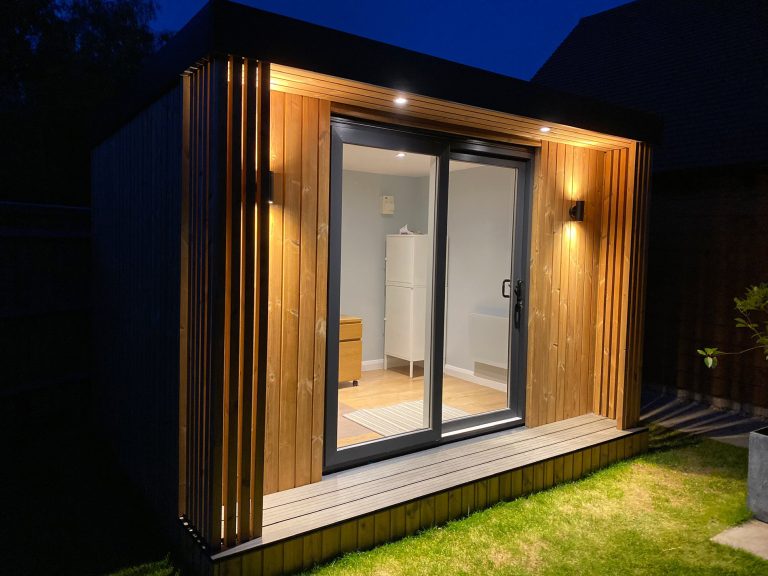
If you are considering a garden office, think about its position, access and privacy as well as the view. Explain any particular sound requirements rather than assuming a separate room will provide them.
2. Test the light and colours
Choose colours you like, then look at samples in the light you will actually work in. Check where the screen and desk will sit in relation to windows and where you may need lighting after dark. There is no need to choose a colour because it is said to make everyone more productive.
Keep the desk, seating and storage layout in mind while making those choices. A finish you enjoy is worth considering, but it will not make up for a desk that is too small for your equipment.
3. Give equipment and paperwork a place
Keep the items you use often easy to reach and decide where everything else will go. Measure storage with doors or drawers open. Plan cable routes so the space is usable with your actual devices connected.
If the room needs a second use, decide how you will put work away. That might mean closed storage, a clear surface or a layout that does not need rebuilding at the end of every day.
Bring a working brief to the design discussion
Write down your main tasks, equipment and storage needs, then compare the layout with that list. If a separate room is the right next step, explore a Vivid Pods garden home office and discuss how you want to use it before choosing the specification.