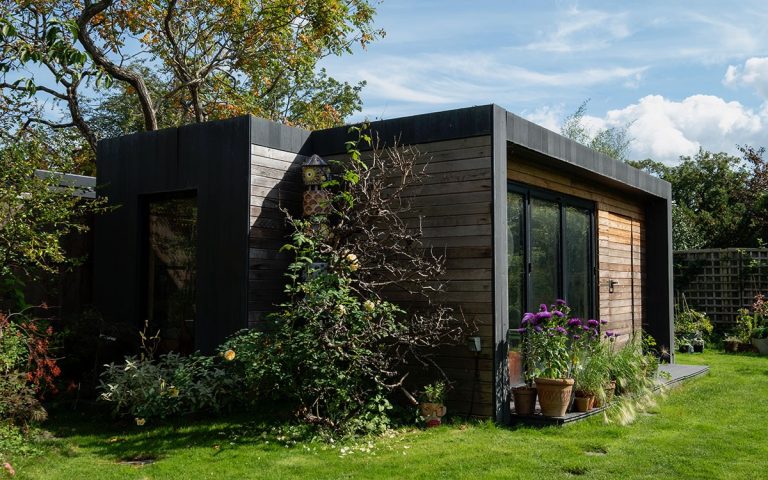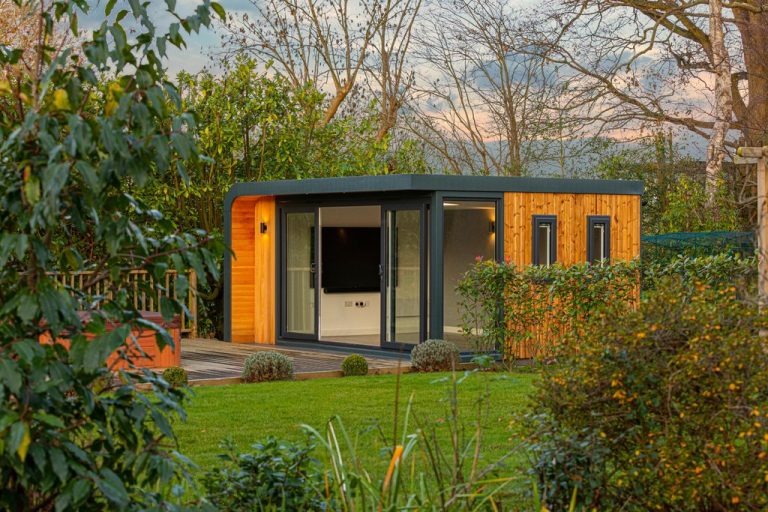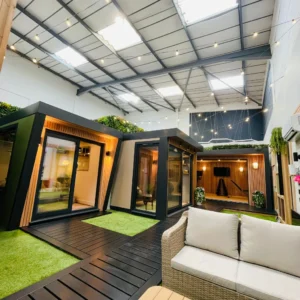
Before choosing a garden office, look at the work you need to do there. A desk for occasional admin needs a different layout from a room for two people, frequent video calls or equipment you leave set up every day.
1. List what the office must accommodate
Measure the desk, chair and equipment you expect to use. Allow space to pull the chair back, open storage and move around the room. If the office will also be a place to relax, decide where work equipment will go when that second use takes over.
2. Set priorities for your budget
Separate the things you need from the things you would like. Ask what the proposed specification includes and what work needs a separate discussion. Compare proposals on the same basis, rather than choosing only by the appearance or headline description.
3. Plan the view, light and background
Think about where you want to sit and what you will see from the desk. Consider the position of screens in relation to windows and what will be behind you on calls. Choose colours and furniture you enjoy, but test the working layout before filling the room with accessories.
4. Discuss services around your equipment
List the devices, lighting and other equipment you plan to use. Ask about power and internet connections early, including the route back to the house. If you want a sink or other facilities, raise that as a separate requirement rather than assuming every office needs them or that they are included.
Decide whether a garden office fits the way you work
A separate room can give work its own place, but it is the layout and specification that determine whether it meets your needs. Bring a sketch, garden photos and a list of your equipment to the discussion. Explore our garden home offices and ask Vivid Pods to explain how the proposed design would work for you.