A small home office needs to fit the work as well as the room. Before buying a desk, measure your equipment and the space you need to sit, stand and move. Try these five checks with the furniture you already have.
1. Use wall space without crowding the desk
List what needs to stay within reach and what can be stored elsewhere. Shelves or wall storage may free the work surface, but consider access, suitable fixings and the space above your screen before fitting anything.
2. Test colours where you will work
Look at samples in daylight and under the lighting you use in the evening. Choose a finish you like rather than expecting a particular colour to make you more productive. Keep the screen position and lighting in mind.
3. Check whether a corner really fits
A corner can be worth trying, but measure the chair pulled back as well as the desk pushed in. Make sure doors, drawers and the route through the room still work. A smaller desk is not useful if your equipment no longer fits.
4. Plan light around your tasks
Try the screen in its proposed position and check for reflections. Think about where you read, write or take calls, and where you may need a task light. Test the arrangement at the times you normally work.
5. Give cables and equipment a route
List what needs power and where the sockets are. Keep cables away from walkways and leave access to connections. Ask a qualified installer about electrical changes rather than treating an extension lead as the answer to every layout problem.
When is a separate office worth discussing?
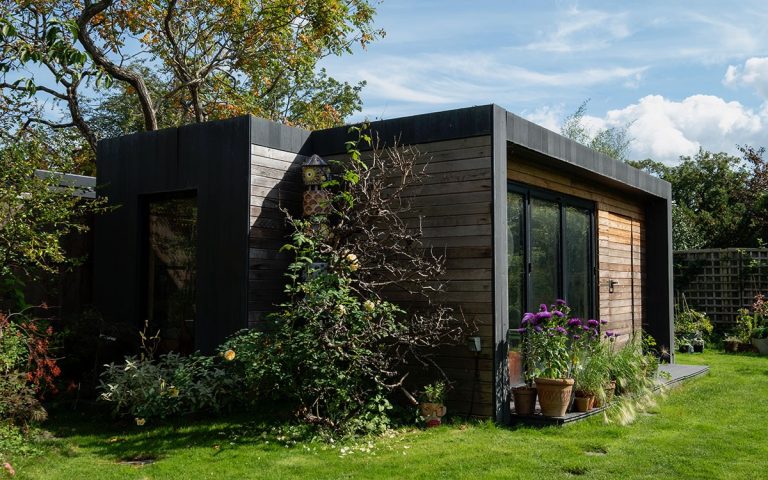
Try the indoor layout first. If the problem is that work cannot fit around the household, write down the space and privacy you still need. Bring that brief to Vivid Pods and ask how a proposed garden office would accommodate your equipment, access and daily routine.