Remote work can remove a journey and change how you use your day, but its benefits depend on your role, your employer’s arrangements and your home setup. Use these questions to decide what you would gain and what you would need to put in place.
What would you gain from fewer journeys?
Look at the days you would actually work remotely. Think about the travel time and costs you would avoid, alongside any extra home-working costs. Do not assume the same saving every week if your working pattern changes.
Would you have the flexibility you expect?
Agree hours, availability and leave with your employer or clients. Working from home does not make an employee their own boss or remove the need to agree time off. Clarify the arrangement before planning your day around it.
Where would focused work happen?
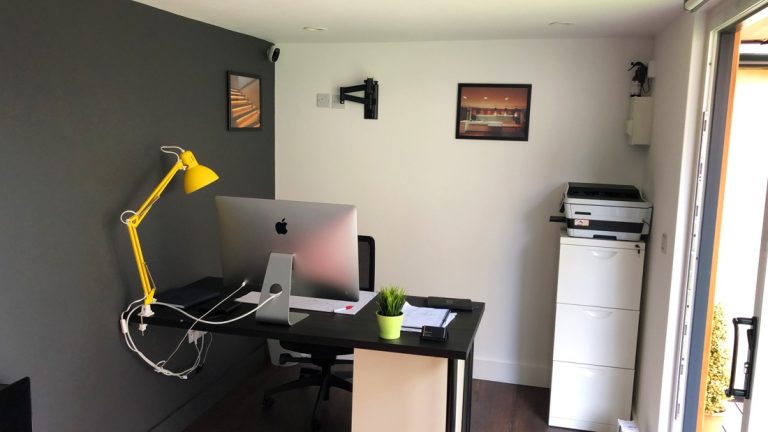
List the tasks that need quiet, calls or equipment left in place. Compare those needs with the space you have. A spare corner may be enough for some work; other routines need a different layout or more separation.
How would you keep contact with people?
Agree how your team will share progress, ask questions and stay in touch. Think about the contact you value outside work too. A remote arrangement should be judged against your own needs, rather than a promise that it makes everyone happier.
How would you finish the working day?
Choose a stopping routine and somewhere to put equipment away. Discuss household boundaries and working expectations. Extra time at home is not the same as time off if work keeps expanding into it.
Decide what needs to change before buying space
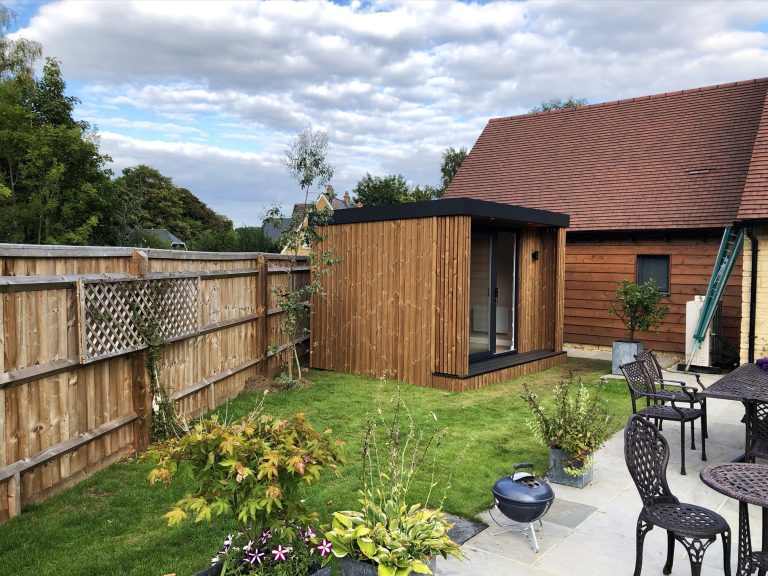
Try the routine first where you can. If a lack of dedicated space remains the obstacle, explore a garden-office layout with Vivid Pods. Bring the equipment, storage and access requirements that would make the room useful to you.